Cannabis Glossary : Knowledge Cannabis Terminology
The worldwide cannabis business is rapidly changing from a distinct segment subculture into a controlled, multi-billion money sector. As legitimate frameworks change and medical study increases, the terminology applied to talk about Cannabis Glossary should shift with it. Accuracy in language is no more just about semantics; it is a subject of client protection, legal conformity, and medical accuracy. Misunderstanding important phrases may lead to poor item choices or regulatory missteps. If you are a store, a healthcare service, or perhaps a consumer, establishing a baseline of vocabulary is essential. That glossary clarifies the most critical phrases required for a definite, professional comprehension of the seed and their products. Defining the Place Forms The most basic distress often stalks from the classification of the seed itself. While they participate in exactly the same genus, appropriate and botanical definitions differ.
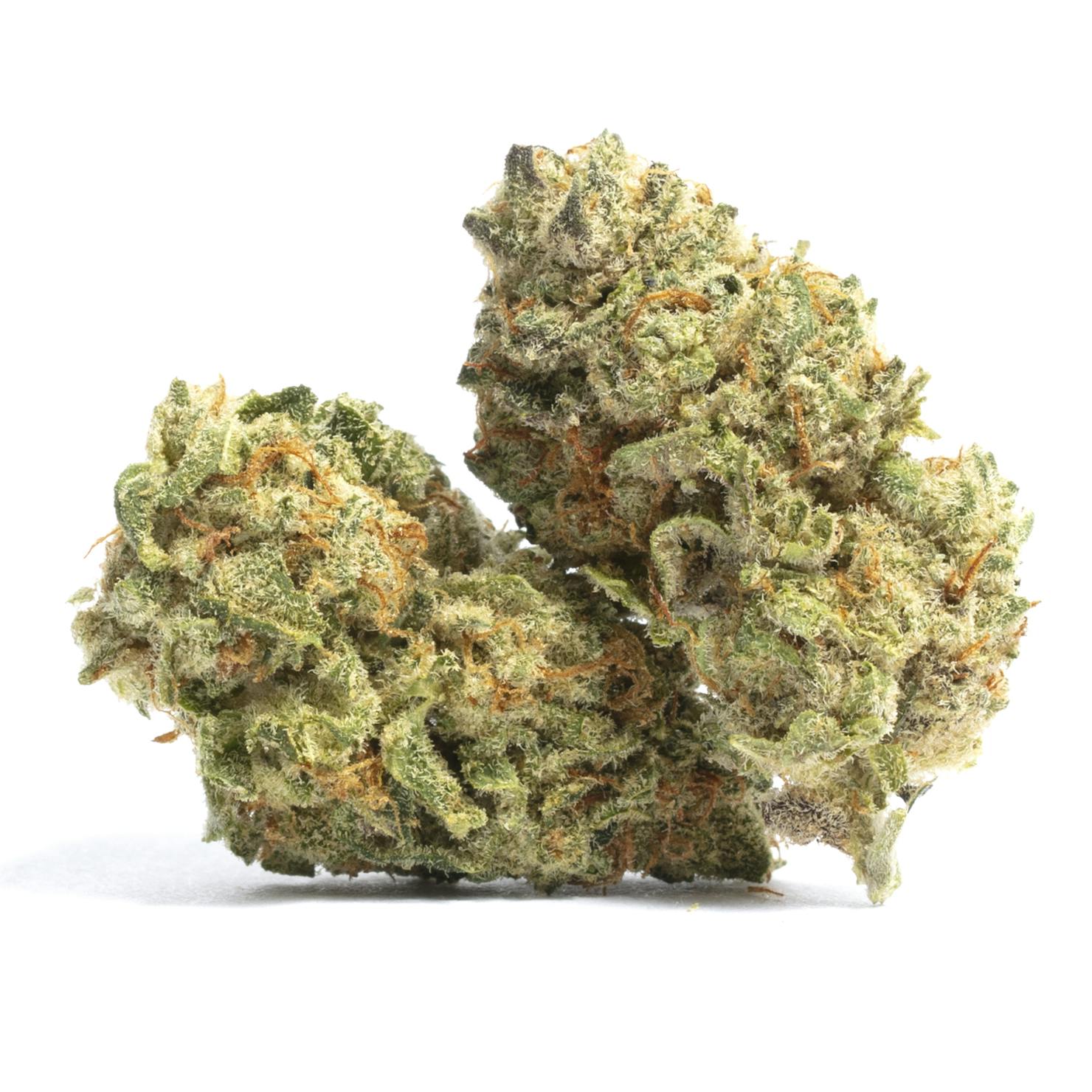
Cannabis Sativa L. This is actually the overarching botanical term for the seed species. From the regulatory point of view, it's often separate in to two types centered on substance composition: Hemp: Legitimately described in lots of jurisdictions as cannabis comprising 0.3% or less THC (tetrahydrocannabinol) by dry weight. Hemp is largely used for commercial products (fiber, textiles) and the removal of non-intoxicating cannabinoids like CBD. Marijuana: A legal term applied to spell it out cannabis flowers containing more than 0.3% THC. These plants are usually grown for their psychoactive or therapeutic properties. Indica, Sativa, and Hybrid Traditionally, these terms described the physical structure of the seed (morphology). Indica described small, broad-leaf crops, while Sativa explained tall, narrow-leaf varieties. Nowadays, the industry employs these phrases to explain believed outcomes, though this is clinically debated. Sativa: Often associated with beneficial, cerebral, or dynamic effects. Indica: Generally associated with pleasure, sedation, and physical body effects. Hybrid: A crossbreed of the two. The truth is, contemporary expansion has hybridized nearly all commercially accessible strains, making “pure” genetics rare. Understanding the Chemistry: Cannabinoids The cannabis plant is just a substance powerhouse. The principal ingredients responsible for the plant's consequences are called cannabinoids. Experts have recognized over 100 distinctive cannabinoids, but several take over the market. Tetrahydrocannabinol (THC) This is the main psychoactive element in cannabis. It binds directly to receptors in mental performance (CB1 receptors) to create the “high” or intoxication related to marijuana use. Cannabidiol (CBD) The second many commonplace cannabinoid. Unlike THC, CBD is non-intoxicating. It's widely explored because of its potential beneficial benefits, including panic reduction, seizure administration, and anti-inflammatory properties. Since it doesn't produce a large, it's the principal substance found in wellness services and products produced from hemp. Modest Cannabinoids As removal engineering improves, “minor” cannabinoids are gaining attention: CBN (Cannabinol): Usually within outdated cannabis , it happens to be marketed for sleep assistance potential. CBG (Cannabigerol): Referred to as the “mom of most cannabinoids” since it's the precursor where different cannabinoids develop. Aromatics and Synergy An extensive comprehension of cannabis requires seeking beyond just THC and CBD percentages.
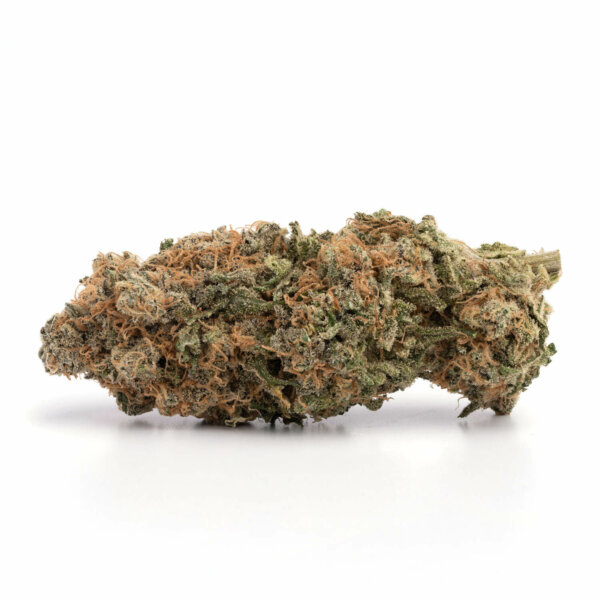
Terpenes These are aromatic oils secreted in exactly the same glands that generate cannabinoids. Terpenes give cannabis types their distinctive flavors—citrus, berry, pine, or fuel. More to the point, study implies terpenes may impact the physiological ramifications of the seed, such as marketing pleasure (Myrcene) or alertness (Limonene). The Entourage Influence This is a theoretical mechanism where cannabis materials behave synergistically to modulate the overall psychoactive aftereffects of the plant. The theory posits that the amount of all components (cannabinoids plus terpenes) produces a more efficient beneficial outcome than any single substance isolated on its own. Going Toward Standardization As the industry matures, the reliance on slang is fading and only chemical knowledge and botanical accuracy. Knowledge these phrases gives the building blocks for better use and more skilled organization practices. By utilizing the appropriate terminology, stakeholders may assure clear communication and foster higher confidence within the marketplace.